Whoa! I’m biased, but this whole Solana explorer ecosystem still feels like the Wild West sometimes. My first impression was: fast, flashy, and kind of confusing. Initially I thought a single explorer would do everything, but then I realized real tracking needs depth, history, and context—lots of context. Hmm… somethin’ about raw transaction lists never cut it for me.
Really? Most people only glance at a transaction hash and move on. The average Solana user wants quick answers: who sent what, which wallet holds the token now, and whether that NFT is part of a verified collection. I used to hop between tabs and wallets, toggling RPC nodes and refreshing like a madman. On one hand that worked in a pinch, though actually it was tedious and error-prone. My instinct said there had to be a better flow for day-to-day NFT and token monitoring.
Wow! Token trackers matter in ways folks underestimate. If you’re building trust in a community sale or watching for rug signals, you want holder distribution, liquidity movements, and timestamped transfer chains. I once watched a token’s market cap change because a whale repositioned, and I missed it—lesson learned the hard way. So I started building a checklist of what an explorer needed to surface, and that list shaped how I evaluate tools now.
Here’s the thing. NFT trackers aren’t just about images and metadata, even though art matters a lot. They need to show mint history, metadata mutability, creator royalties, on-chain vs. off-chain assets, and verified collection status. If the explorer can cross-reference marketplace listings and show price history, that’s a huge plus. I’m not 100% sure every feature is bulletproof, but seeing transfer chains and sale timestamps in one place reduces guesswork. Also, the UX should help you answer «did this wallet wash trade?» quickly.
Really? Token trackers are deceptively complex. You want token pages that show decimals, mint authority, total supply, and a live-ish holder list, with filters for vested vs. active holders. You also want to know token program IDs and if the mint is frozen or has upgrade authorities. On my laptop and phone I often compare holder concentration metrics between explorers to avoid data gaps. My gut said earlier that most explorers were interchangeable—wrong, and I corrected fast.
Whoa! Solscan kept popping up in conversations with builders and traders. I checked it out. It gives token and NFT pages that are dense with data but still legible. Initially I thought it was only for casual lookups, but then I dug into APIs and realized it supports programmatic queries for tracking changes, which matters if you’re building automations or alerts. I’m not a corporate rep—just a user who leaned on it a lot.
Hmm… here’s a subtlety. A lot of explorers aggregate data differently and use distinct indexing strategies, and that affects how quickly new mints or transfers appear. Some rely on a single RPC endpoint and lag when network load spikes. Solscan’s uptime and index refresh cadence felt reliable for my needs. On the other hand, no explorer is perfect during heavy congestion, so I still cross-check critical moves. That redundancy saved me once when a mint showed differently across two sources.
Really? Use cases change the tool you choose. If you’re a collector, NFT trackers need to highlight collection rarity traits, floor price history, and direct links to marketplace listings. If you’re a dev, token trackers must expose account states, program interactions, and decoding of instruction payloads. I tend to wear both hats—collector and developer—so my ideal explorer does both without being clunky. Also, I like a little personality in the UI; shows someone cared.
Whoa! A few practical tips I’ve learned. Save relevant token pages to a watchlist, set up alerts for big transfers, and export holder snapshots before major events like airdrops. When you see a suspicious transfer, follow the funds through several hops to detect laundering or wash trades. It helps to snapshot the on-chain state because data can be pruned or reindexed differently later. I’m not claiming perfection—just sharing what worked for me.
Really? The solscan explorer I use became the hub for many of these workflows. It lets me deep-dive into NFTs, check metadata immutability, and inspect token holders with ease. I also used the explorer’s API for a bot that watches new mints and flags unusually concentrated distributions. That bot saved me time during a project launch, though it required tweaks to avoid false positives. If you’re building tools, an explorer with an API is a force multiplier.
Wow! A few advanced things I care about. Program-level views are priceless when analyzing staking contracts or liquidity pools, because you want to see state accounts and instruction sequences not just balances. Historical analytics—charts of transfers, holder growth, and top movers—help separate noise from meaningful trends. If the explorer can combine on-chain data with marketplace sales, you get a clearer picture of market intent. Oh, and by the way… alerts that push to Discord or webhook endpoints make real-time monitoring actually useful.
Hmm… security quirks matter too. Be careful pasting transaction data into unknown tools, and double-check contract addresses by copy-pasting from verified sources. Scammers sometimes create near-identical mint addresses or fake metadata URIs to trick buyers. I once nearly clicked a suspicious metadata link—close call—so now I scrutinize metadata hosts and creator addresses. These small habits reduce risk significantly.
Here’s what bugs me about some explorers: they hide the provenance or make metadata edits hard to spot. If a creator can rewrite metadata off-chain, that should be flagged upfront. Transparency about mutable metadata and separate on-chain attributes is crucial. Solscan tends to surface on-chain properties clearly, and that transparency changed how I evaluate new drops. Honestly, it’s a relief when the data doesn’t bury the caveats.
Wow! If you’re getting started, try this flow: search the mint address, check token details and decimals, review holder distribution and transfer timeline, then open the NFT page and inspect creator addresses and metadata sources. If something smells off, trace recent large transfers to see if tokens moved to centralized exchanges or to cold wallets. It’s not glamorous, but it works. And yeah, do back up your watchlist—very very important.
Really? The community around an explorer matters too. Forums, developer docs, and community-made dashboards make a big difference when you’re troubleshooting or building. I joined a few Discord channels during a launch and got faster responses about indexing delays and metadata quirks than from filing tickets alone. That human layer is often underappreciated. I’m not 100% sure every community is helpful, but it’s usually worth the detour.
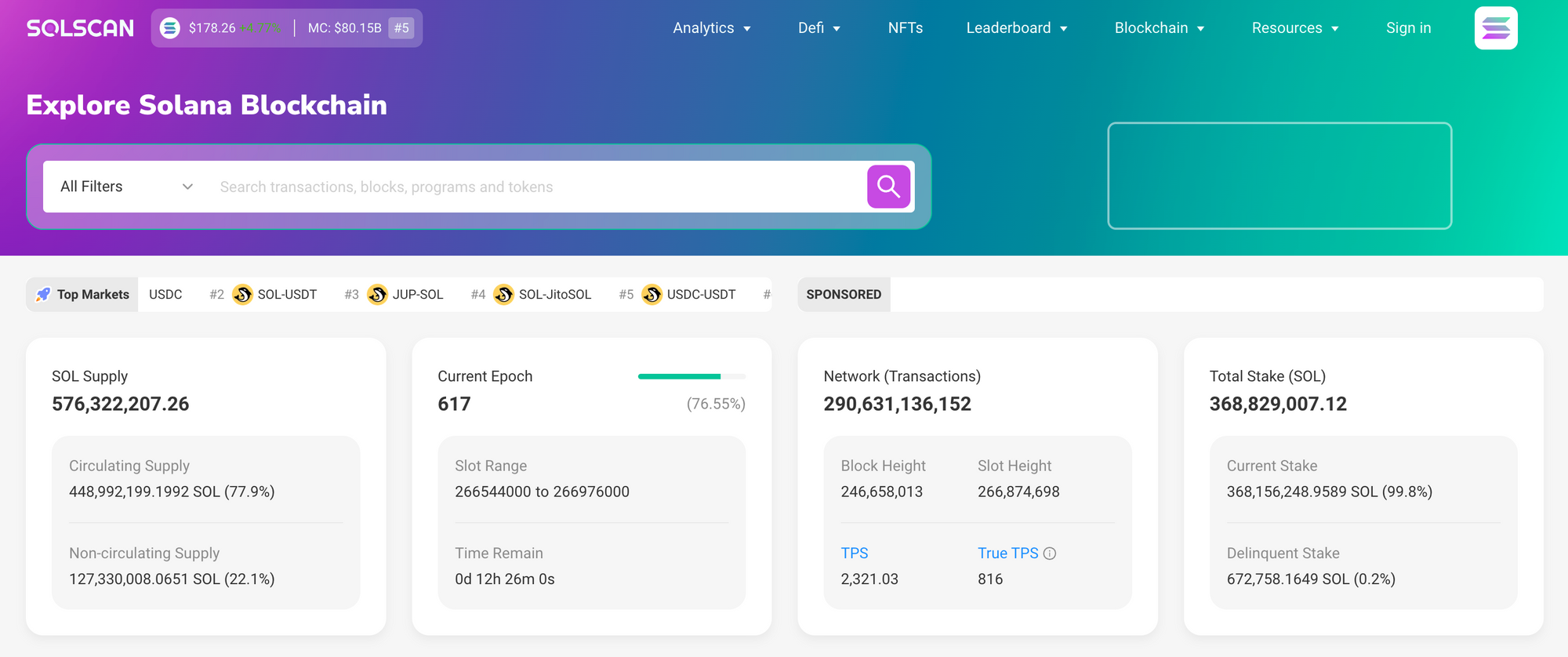
Why I keep using Solscan (and how to integrate it)
Okay, so check this out—if you want a practical, everyday explorer that balances depth and speed, solscan explorer is where I often start. It gives me NFT mint timelines, token holder snapshots, program instruction decodes, and a fairly approachable API for simple automations. Initially I thought I could rely on a single source of truth, but now I always cross-reference and log snapshots over time. On the technical side, build scripts that poll token holders and archive JSON snapshots; that way you have a forensic trail if something strange happens.
Common Questions
How do I verify an NFT collection on Solana?
Check the creator addresses and on-chain metadata first, then look for verification flags on marketplace listings and on the token’s mint page; compare multiple explorer views when in doubt.
Can I get alerts for big token movements?
Yes—use the explorer’s API or third-party webhook services to watch specific mint addresses or wallets and send notifications to Discord, Slack, or your own endpoints.
What’s the best way to avoid fake mints?
Always copy mint addresses from reputable sources, inspect metadata URIs for off-chain storage, review creator authority, and watch for unusually concentrated holder distributions before buying.